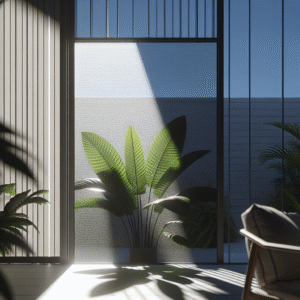
Choosing the right screen type for your lanai can enhance your outdoor living experience while providing protection against bugs and the elements. Lanai spaces are extensions of your home, blending indoor comforts with outdoor beauty. Whether you’re in Jacksonville beach, where the sun shines bright, or in Ponte Vedra, where you want to enjoy your garden without the accompanying insects, selecting the right screen materials is essential.
Understanding the Purpose of Your Lanai Screen
When choosing a screen for your lanai, the first step is understanding what you want to achieve. Are you trying to keep bugs out, provide shade, or protect against rain? Your goals will influence the type of material and design you choose. For instance, a bug screen in St. Johns might prioritize fine mesh to keep out the smallest insects, while a more durable material might be necessary for windy coastal areas.
Types of Lanai Screen Materials in Jacksonville FL
In Jacksonville, FL, the most common lanai screen options include fiberglass, aluminum, and polyester. All of these materials have distinct advantages and limitations that should influence your decision.
Fiberglass Screens
Fiberglass screens are incredibly popular due to their balance of durability and visibility. They’re flexible and resistant to rust, making them suitable for coastal environments. Their installation is relatively easy, which is beneficial when you want to replace older screens. In terms of maintenance, cleaning is straightforward; a gentle scrub and rinse typically do the trick.
Aluminum Screens
Aluminum screens are stronger and able to withstand more force than fiberglass. They can provide a more permanent solution, ideal for homeowners in harsher environments. However, they are heavier and can be more challenging to install. If you live in an area with heavy storms, aluminum might be the better choice, especially for lanai enclosure in Fruit Cove, where wind and rain can be an issue.
Polyester Screens
Polyester screens often come coated with a layer that enhances their strength and durability. They provide excellent visibility and can maintain their appearance for longer without fading. One downside is that they might not be as lightweight as fiberglass, which may complicate installation. Still, in Jacksonville, a polyester screen could be an excellent long-term investment for your lanai.
Consider the Climate in Your Area
Your choice of screen material should reflect the weather conditions in your area. Jacksonville’s hot summers might call for materials that resist fading and wear from sun exposure. Conversely, if you’re situated in areas with considerable rainfall like Fruit Cove, it would make sense to invest in more robust, weather-resistant screens.
Humidity and Salt Exposure
For coastal regions, both humidity and salt exposure can pose a threat to your screens. Choose materials that can withstand these conditions over time. Aluminum and fiberglass are generally resistant to rust and corrosion, making them ideal for lanai screens along the coast.
Screen Design – Choosing the Best Fit for Your Lanai
Once you’ve considered the materials based on their benefits and the climate’s impact, it’s essential to think about the design of your screen. The layout and functionality should complement your lanai’s architecture.
Full Enclosure vs. Partial Screens
Deciding between a full enclosure or partial screens can greatly affect your lanai’s usage. If you live in Jacksonville and frequently entertain guests, a full enclosure could provide a more versatile area. However, if you enjoy an open ambiance but want to keep bugs at bay, partial screens might suffice.
Retractable Screens
Retractable screens offer a flexible option that combines convenience and functionality. For homeowners in St. Johns who want the option to open up their lanai completely, a retractable screen system may be ideal. They provide great visibility and easily blend into your living space when not in use.
Maintenance and Care for Your Lanai Screens
A durable screen is only as good as the care it receives. Proper maintenance is crucial, especially in humid areas like Jacksonville, where mold and mildew can be a concern.
Cleaning Tips
Regularly cleaning your screen will prolong its life. Use a vacuum to remove any loose debris, and follow with a gentle scrub using a mixture of warm water and mild soap. For aluminum screens, a soft brush will help in removing stubborn dirt without scratching.
Inspect for Damage
Common issues include tears or holes caused by wear and tear or even neighborhood pests. Inspect your screens periodically; catching problems early can save you from more significant repairs down the line. If you notice extensive damage, it may be time to consider a replacement.
Cost Considerations When Choosing Your Lanai Screen
Budget is always a factor. The cost varies widely depending on materials, design, and installation. Fiberglass screens tend to be more cost-effective upfront, while aluminum and polyester may require a higher initial investment but last longer and offer better protection.
DIY vs. Professional Installation
If you’re handy, installing your screens can save on labor costs. However, for those in need of assistance or looking for a flawless finish, hiring professionals may be worth the investment. Companies in Jacksonville specializing in lanai screen installation can provide valuable insights and expertise, thus ensuring a perfect fit that meets all your needs.
Conclusion: Making the Right Choice for Your Lanai
Choosing the best screen for your lanai involves balancing style, performance, and maintenance efficiency. Remember that your screens are an investment in enhancing your living space. Whether prioritizing bug protection in St. Johns or durability in Jacksonville, weigh your options carefully. Understanding the climate and how it affects various materials is crucial. Don’t hesitate to reach out to local professionals to help you make an informed decision about your lanai screen materials. By doing so, you’ll ensure a comfortable, stylish, and functional lanai that can be enjoyed for years to come.