
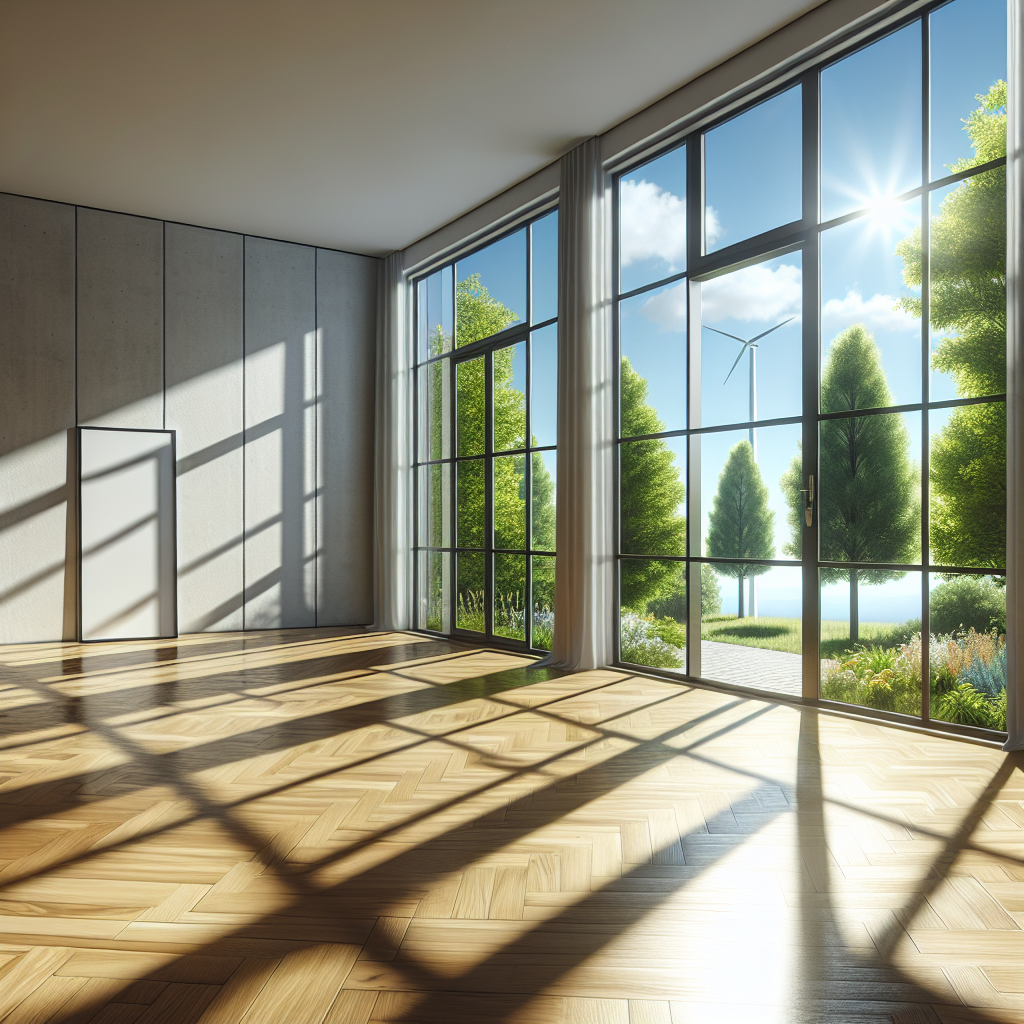
The design of a home encompasses various elements, but one often overlooked aspect is window placement. The positioning of windows not only influences the aesthetic appeal of a home but also plays a critical role in the overall lighting and energy efficiency. For homeowners in Orange Park, understanding the impact of window placement can lead to a more sustainable and well-lit living environment. As we explore this topic, we will cover the strategic considerations for window placement that can enhance natural light and contribute to energy-efficient design in neighborhoods like Orange Park and other areas.
The Role of Natural Light in Home Design
Natural light is a powerful asset in home design. It can fundamentally affect mood, energy levels, and overall well-being. Many people are unaware of the health benefits associated with natural daylight. Research indicates that exposure to natural light can improve sleep quality, reduce depression, and enhance cognitive function. Therefore, incorporating ample natural light through thoughtful window placement is essential in creating a welcoming home environment.
Benefits of Natural Light in Jacksonville
For homeowners in Jacksonville, FL, the warm climate provides an excellent opportunity to leverage natural light. Strategically placed windows can brighten up spaces, reducing the need for artificial lighting during the day. This can lead to significant energy savings on electric bills.
Moreover, maximizing natural light can enhance the perceived space, making rooms feel larger and more inviting. Using larger windows or the integration of sliding doors can open up views to the outdoors while flooding interiors with sunlight.
Understanding Sun Paths
To maximize natural light effectively, understanding the sun’s pathways is crucial. In the northern hemisphere, the sun rises in the east and sets in the west, moving across the south sky. Thus, south-facing windows receive the most sunlight throughout the day, making them ideal for main living areas.
For instance, homes in Fruit Cove, FL, where there is abundant tree coverage, can benefit from thoughtful window placement that takes into account shading needs. On the other hand, south-facing windows can help capture heat during winter months, reducing heating costs.
Seasonal Considerations
Seasonal changes should also influence window placement. During summer, homeowners might want to limit direct sunlight to cool their homes. Window overhangs or the use of awnings can help achieve this, while allowing light to enter during winter months when the sun is lower. Properly oriented windows can help manage heat gain and loss while contributing to a home’s energy efficiency.
Energy-Efficient Design: More than Just Windows
While window placement is a primary focus, it’s equally important to consider the energy-efficient design of the entire home. The latest innovations in window technology, such as double-glazed units with low-emissivity (Low-E) coatings, can significantly enhance thermal performance. Homeowners in Jacksonville can reduce heat transfer and maximize energy savings by choosing energy-efficient windows that complement their overall design.
Creating a Cohesive Energy Strategy in Fruit Cove
A holistic energy strategy in areas like Fruit Cove, FL, involves aligning window placement with sustainable practices. For example, combining energy-efficient windows with insulation, proper ventilation, and energy-efficient appliances can create a comfortable living environment that reduces reliance on heating and cooling systems. This can lead to lower energy bills and a reduced carbon footprint, making it a win-win for homeowners.
Architectural Considerations for Homeowners
The architectural style of the home can heavily influence window placement. Modern designs often favor large windows that break the confines of traditional structures. However, whether your home is contemporary or classic, understanding the balance between aesthetics and practicality is key. Homes designed in alignment with their environment, especially in areas like St. Johns, can achieve harmony with the landscape while maximizing natural light.
Window Placement for Different Rooms
Not all rooms require the same amount of light. For example, bedrooms may benefit from smaller, strategically placed windows to maintain privacy while still allowing natural light during the day. Conversely, living rooms and kitchens can utilize larger expanses of glass to create bright, open spaces. When planning home designs, it’s practical to consider how each room will be used and where natural light fits best.
Impact of Local Climate on Window Placement
Jacksonville’s humid subtropical climate has unique implications for window placement. Homeowners must manage heat and humidity while maximizing light. For instance, east-facing windows might allow for bright mornings but could overheat spaces in the afternoon. On the contrary, west-facing windows often let in significant heat late in the day.
In areas like St. Johns and Fruit Cove, using window placement to harness cooling breezes can also enhance comfort. Strategically opening windows to catch the natural airflows, especially during evening hours, can reduce reliance on air conditioning. Every aspect of window placement should consider how the local climate will influence indoor comfort and energy costs.
Conclusion: Planning for a Brighter Future
In conclusion, the impact of window placement on home lighting and energy efficiency cannot be underestimated. From enhancing natural light to improving energy performance, homeowners in Jacksonville, FL, and surrounding areas should prioritize thoughtful window placement when designing or renovating their homes. Utilizing energy-efficient design strategies and considering the seasonal variations of sunlight will lead to a comfortable, sustainable living environment.
By consciously integrating principles of natural light and energy efficacy into home design, residents can create spaces that are not only livable but also serve the environment and reduce energy consumption. As we move towards a future that prioritizes sustainability, the simple act of adjusting window placement can make a noticeable difference, both in homes and the broader community.